
The Role of Funerals: A Deep Dive into Tradition, Healing, and the Human Experience

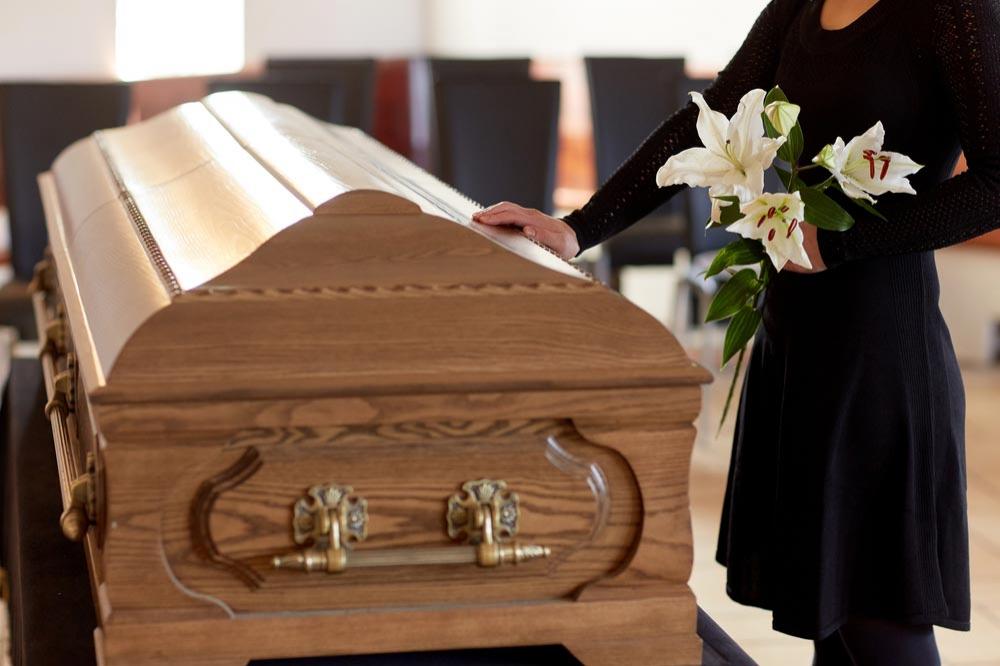
Funerals, though often associated with grief and sorrow, serve an essential and multifaceted role in human life. While death is an inevitable part of our existence, funerals provide a space for communities to process the loss, reflect on the life lived, and begin to heal. These ceremonies have evolved over centuries, shaped by cultural, religious, and personal beliefs, yet their core purpose remains constant: to honor the deceased, support the bereaved, and offer closure to a chapter in the life of the living.
In this article, we will explore the various aspects of funerals, from their cultural significance to the emotional healing they foster, and their evolving nature in the modern world.
The Significance of Funerals in the Grieving Process
Grief is a complex emotion that doesn't follow a linear path. Losing a loved one can lead to feelings of isolation, confusion, and deep sadness. Funerals offer a structured space for those emotions to be expressed, shared, and supported by others. For many, a funeral is the first step in navigating the overwhelming emotional journey that comes with loss.
-
A Ritual for Expression: Funerals allow mourners to express their grief in a socially acceptable way. The act of crying, sharing memories, or even just sitting in quiet reflection, can provide catharsis. Funerals help validate the mourning process, offering a communal space where individuals don’t have to carry their sorrow alone.
-
The Importance of Closure: Death often feels sudden and unresolved. Funerals provide an opportunity to say goodbye in a way that can bring emotional closure. This ceremonial goodbye is crucial in helping the bereaved begin the process of moving forward with their lives. While mourning may continue long after the funeral, the ritual allows for a moment of finality.
-
Supporting the Bereaved: One of the most profound aspects of funerals is the support they provide to the grieving. The funeral often brings together family, friends, and acquaintances of the deceased, creating a network of people who share in the sorrow. The presence of loved ones, offering condolences and support, can be incredibly comforting during the early stages of grief.
Cultural and Religious Dimensions of Funerals
Funeral customs are deeply rooted in cultural and religious traditions, and these practices vary significantly around the world. While they all share the core goal of honoring the deceased, the way people approach death and the afterlife shapes how funerals are carried out.
-
Christian Funerals: In many Christian denominations, funerals are sacred events that emphasize the belief in the resurrection and eternal life. The service often includes prayers, hymns, and readings from the Bible, as well as a eulogy that celebrates the person’s life and faith. Christian funerals may also incorporate the tradition of a wake, where mourners gather to offer condolences and share memories.
-
Islamic Funerals: Islamic funeral rites are deeply focused on the soul’s transition to the afterlife. The body is washed, shrouded, and buried as soon as possible, ideally within 24 hours of death. The community participates in Salat al-Janazah, a special prayer asking for the deceased’s forgiveness and mercy. The focus in Islamic funerals is on humility, prayer, and reflection on the impermanence of life.
-
Buddhist Funerals: In Buddhist traditions, death is viewed as part of the cycle of samsara, the continuous cycle of life, death, and rebirth. Funeral rites may include chanting and prayers, designed to help the deceased’s soul find peace and to assist in their transition to the next life. The service is typically quiet and reflective, emphasizing impermanence and the interconnectedness of all life.
-
Jewish Funerals: Jewish funerals are typically held quickly after death, often within 24 hours. The body is prepared for burial according to traditional rites, including the washing and dressing of the body. The funeral service includes prayers such as the Kaddish and Shema, and the family observes a mourning period called Shiva, during which the community visits the grieving family to offer comfort and support.
-
Day of the Dead (Día de los Muertos): In Mexican and Latin American cultures, Día de los Muertos is a celebration of life and death. Families gather to honor deceased loved ones by creating ofrendas (altars) adorned with photographs, flowers, food, and mementos. This joyful tradition emphasizes that death is not an end but a continuation of the spiritual journey.
殯儀服務 s as a Celebration of Life
Though funerals are often seen as solemn events, there is an increasing trend toward celebrating the life of the deceased. Many modern funerals now incorporate personal touches that reflect the unique qualities of the person who has passed, focusing on the memories and legacy left behind rather than solely on the mourning of the death.
-
Personalized Services: Funerals are becoming more tailored to reflect the personality of the deceased. Families may choose specific songs, poems, or readings that the person loved, or even have a service held in a location that held special meaning to them. This personalization helps bring a sense of individuality to the ceremony, celebrating the life of the deceased rather than simply marking their passing.
-
Celebration of Life Ceremonies: Some families opt for "celebrations of life," which focus more on joy and remembrance than on grief. These services often feature a gathering of family and friends where stories, laughter, and shared memories are encouraged. These events can take place in informal settings, such as a park, a family home, or a favorite restaurant, and may involve food, music, and dancing.
-
Memory Projects: It’s not uncommon for families to create memory books or videos as part of the funeral service. These tributes can include photographs, clips of videos, or written testimonials, all designed to reflect the person’s personality and the positive impact they had on others. Memory projects help preserve the legacy of the deceased and allow future generations to remember and connect with their story.
Funerals in the Modern World: Innovations and Shifting Attitudes
While traditional funeral practices remain common, the funeral industry is undergoing significant changes. As society becomes more diverse, and as people’s attitudes toward death evolve, funerals are being reimagined to suit the needs and values of contemporary individuals and families.
-
Green Funerals: In response to growing environmental concerns, green funerals have gained popularity. This eco-friendly approach focuses on sustainable burial practices, such as biodegradable caskets, natural burial grounds, and cremation with minimal environmental impact. Green funerals reflect a broader shift toward sustainability and a desire to leave a smaller environmental footprint.
-
Digital Funerals: With the rise of technology, digital funerals are becoming more prevalent. Virtual memorial services allow mourners to participate in the service even if they cannot be there in person. Live-streaming, online memorial pages, and digital tributes make it possible for loved ones across the globe to unite in mourning, no matter the physical distance.
-
Pre-Planned Funerals: More individuals are opting to pre-plan their funerals, providing specific instructions about the kind of service they would like, the type of burial or cremation they prefer, and their personal wishes for the ceremony. Pre-planning allows people to have greater control over the final arrangements and can help alleviate stress and confusion for family members during an emotionally charged time.
-
Alternative Memorials: Beyond traditional burial or cremation, alternative memorials are on the rise. Some individuals choose to have their ashes turned into jewelry, pressed into vinyl records, or even mixed into paint to create lasting works of art. These memorials offer grieving families a tangible way to keep their loved one’s spirit alive.
Funerals as a Final Gift: Offering Comfort and Reflection
While funerals often mark the conclusion of a person's earthly journey, they also offer a final gift to the living: the chance to reflect, heal, and remember. Funerals allow us to say goodbye with dignity, honor, and love. They create spaces where communities come together, offering a shoulder to lean on and a moment to reflect on the interconnectedness of life.
Funerals are, ultimately, a way to demonstrate the depth of our love for the deceased and the impact they had on our lives. They are a testament to the legacy they leave behind—whether through relationships, shared memories, or the changes they made in the world. And, as we navigate the painful process of saying goodbye, funerals help us acknowledge the complexities of grief, find solace in one another, and continue to honor the lives that shaped us.