
Human Resources: A Strategic Partner for Organizational Success

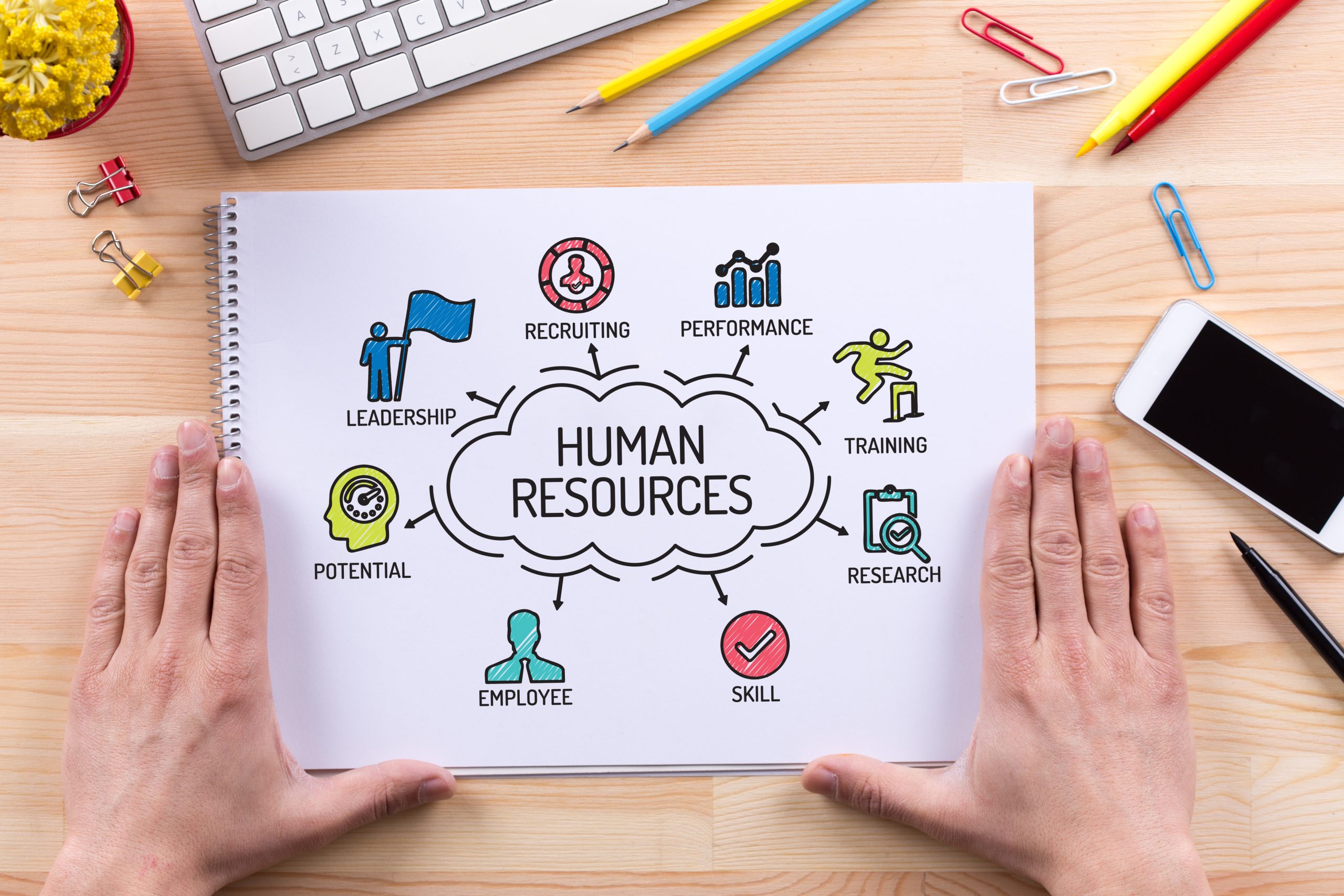
In today’s dynamic and competitive business environment, organizations are increasingly realizing the importance of their most valuable resource: their people. Human Resources (HR) has traditionally been viewed as a department focused on administrative tasks, such as hiring and compliance. However, in the modern business landscape, HR is evolving into a strategic partner that drives organizational success, enhances company culture, and fosters innovation.
This article delves into the critical role HR plays in organizations today, its core functions, and how it contributes to business growth and long-term success.
The Shift from Traditional HR to Strategic HR
Historically, 越南開公司 was confined to administrative and support roles, managing day-to-day operations like payroll, hiring, and employee relations. Over the years, the increasing importance of talent management, organizational development, and employee well-being has pushed HR to the forefront of organizational strategy.
In the modern workplace, HR is no longer seen as a back-office function; rather, it has become an integral part of business strategy. HR professionals today work closely with leadership teams to align human capital initiatives with business objectives. From recruiting top talent to managing employee engagement and retention, HR plays a central role in shaping the future of organizations.
Key Roles of Human Resources
Human Resources encompasses a wide range of functions that impact an organization’s success. Here are some of the critical roles HR plays in ensuring the organization operates efficiently, fosters growth, and builds a high-performance culture:
1. Talent Acquisition and Recruitment
Attracting and hiring the right people is one of HR’s most fundamental responsibilities. However, talent acquisition today goes beyond simply posting job ads and conducting interviews. HR teams leverage a variety of tools to identify, attract, and retain top talent, including:
- Employer branding: Developing a strong brand that showcases the organization’s culture and values helps attract candidates who align with the company's mission.
- Social media and networking: Utilizing platforms like LinkedIn, industry events, and professional networks helps HR connect with potential candidates in a broader and more targeted way.
- AI and automation: Using artificial intelligence and automation tools in the recruitment process streamlines candidate screening and selection, ensuring that the hiring process is both efficient and effective.
A solid recruitment strategy ensures that the organization secures individuals who are not only highly skilled but also a good cultural fit, ultimately contributing to long-term success.
2. Employee Onboarding and Integration
The onboarding process is one of the most critical stages in the employee lifecycle. It sets the tone for an employee’s experience with the organization and influences their job satisfaction, performance, and retention. HR plays an instrumental role in creating an onboarding process that is engaging, informative, and seamless.
Effective onboarding helps new employees understand their role, meet their colleagues, and integrate into the company’s culture. Furthermore, it provides clarity on expectations, goals, and available resources. Onboarding also lays the groundwork for building long-term relationships and trust, reducing turnover rates and increasing employee engagement from day one.
3. Learning and Development
Continuous learning and development are essential for fostering a high-performance workforce. As businesses evolve and industries undergo rapid change, HR must ensure that employees remain competitive by upskilling and reskilling.
HR professionals are responsible for developing and implementing training programs, leadership development initiatives, and mentorship opportunities that empower employees to grow professionally. These programs can range from technical skills workshops to soft skills development, such as communication, leadership, and problem-solving.
By prioritizing learning and development, HR ensures that employees are well-equipped to adapt to new challenges, stay ahead of industry trends, and contribute to innovation within the organization.
4. Performance Management
A robust performance management system aligns individual employee performance with organizational goals. HR plays a central role in establishing clear performance expectations, creating regular feedback loops, and implementing performance reviews that encourage growth rather than merely evaluation.
Instead of focusing solely on annual performance appraisals, modern performance management emphasizes continuous feedback and coaching. HR ensures that managers and employees have regular check-ins, where they discuss progress, set new objectives, and identify areas for improvement.
Performance management systems also serve as tools for recognizing and rewarding top performers, boosting employee morale and encouraging a culture of excellence.
5. Employee Engagement and Retention
Employee engagement is directly tied to retention, productivity, and overall organizational success. Engaged employees are more motivated, loyal, and committed to achieving business goals. HR plays a crucial role in creating an engaging work environment by fostering a positive company culture, promoting work-life balance, and offering development opportunities.
HR departments often implement employee engagement surveys to assess satisfaction levels, identify areas for improvement, and take action on employee feedback. A focus on engagement ensures that employees feel valued, respected, and supported, which ultimately leads to higher levels of job satisfaction and reduced turnover.
Additionally, HR is responsible for managing retention strategies, such as implementing recognition programs, offering competitive compensation packages, and providing opportunities for career advancement. By prioritizing retention, HR helps reduce recruitment costs and ensures continuity in organizational knowledge and expertise.
6. Diversity, Equity, and Inclusion (DEI)
Diversity, equity, and inclusion (DEI) are no longer just buzzwords but essential components of a thriving workplace. A diverse and inclusive workforce brings together people with different perspectives, experiences, and ideas, driving innovation and improving problem-solving.
HR plays a pivotal role in advancing DEI initiatives within organizations. This includes ensuring that hiring practices are fair and unbiased, fostering a culture of respect and inclusion, and providing training to raise awareness about unconscious bias and discrimination.
HR also works to ensure that policies and practices are inclusive, ensuring that every employee feels valued, regardless of their gender, race, sexual orientation, or background. By building a diverse and inclusive workplace, HR not only creates a more equitable environment but also helps organizations attract top talent and enhance their competitive advantage.
7. Compensation and Benefits
Compensation and benefits are key factors in attracting and retaining talent. HR is responsible for creating and managing compensation structures that are competitive, equitable, and aligned with market standards. This includes salary bands, performance bonuses, and incentive programs that motivate employees to achieve organizational goals.
In addition to compensation, HR manages benefits programs, such as health insurance, retirement savings plans, paid time off, and wellness initiatives. Offering comprehensive benefits that meet the needs of employees helps improve job satisfaction and reduces turnover.
HR departments must also ensure that compensation and benefits packages are regularly reviewed and updated to remain competitive within the industry.
8. Workplace Culture and Employee Relations
One of HR’s most important functions is to maintain a positive workplace culture. A healthy culture is essential for fostering collaboration, creativity, and trust among employees. HR plays a key role in ensuring that the organization’s values are upheld, employee well-being is prioritized, and communication channels are open.
Employee relations is another critical area where HR intervenes. HR professionals mediate conflicts, address grievances, and ensure that employees’ concerns are heard and resolved in a timely and fair manner. By managing employee relations effectively, HR helps prevent workplace disputes from escalating and ensures a harmonious work environment.
The Impact of Technology on HR
Technology has dramatically transformed the field of HR, enhancing the efficiency and effectiveness of many HR functions. Key technological advancements in HR include:
- Human Resource Information Systems (HRIS): HRIS platforms help streamline administrative processes like payroll, benefits management, and employee records, allowing HR teams to focus on more strategic initiatives.
- Artificial Intelligence (AI) in Recruitment: AI-powered tools help HR professionals quickly screen resumes, identify suitable candidates, and predict employee performance based on data-driven insights.
- Employee Engagement Platforms: Digital platforms enable HR to gather real-time feedback from employees, track engagement levels, and implement targeted strategies to improve satisfaction and productivity.
- Learning Management Systems (LMS): LMS platforms provide employees with access to online training, development courses, and certifications, enabling HR to manage and track employee learning and growth.
The Future of HR
The future of HR is rooted in technology, innovation, and adaptability. As the world of work continues to evolve, HR will need to embrace emerging trends such as:
- Flexible Work Arrangements: The rise of remote and hybrid work models will continue to shape HR strategies. HR professionals will need to find ways to manage remote teams effectively, promote collaboration, and maintain company culture in virtual settings.
- People Analytics: HR will increasingly rely on data analytics to make informed decisions about talent management, employee engagement, and performance.
- Employee Experience: Creating a positive, personalized employee experience will be a priority for HR, with an emphasis on work-life balance, wellness, and career growth opportunities.
Conclusion
Human Resources is no longer just a support function but a key driver of organizational success. From talent acquisition and employee engagement to performance management and diversity initiatives, HR plays an integral role in shaping an organization’s culture, fostering innovation, and driving business growth. As companies continue to evolve and adapt to the changing workforce, HR will remain at the forefront of creating a thriving, high-performance work environment. By aligning human capital strategies with organizational goals, HR ensures that businesses can unlock the full potential of their workforce and remain competitive in an ever-changing business landscape.