
Materials Used in High-Quality Leather Racing Suits

Leather racing suits are more than just a piece of gear—they are a rider’s armor, combining style, protection, and comfort.
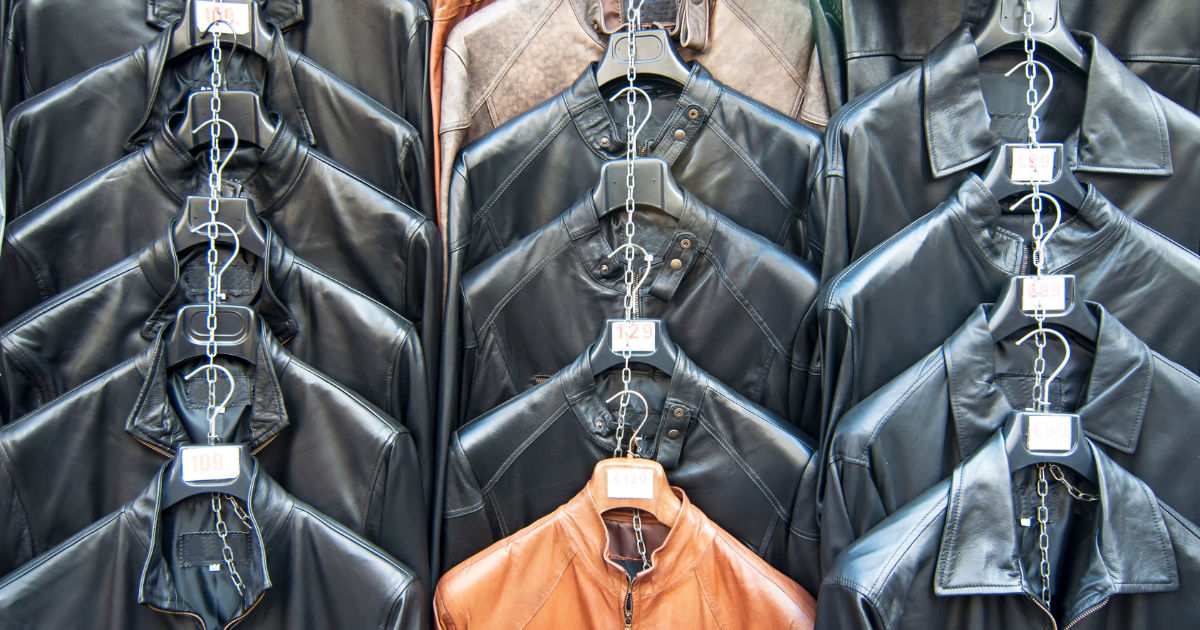
When we talk about High-Quality Leather racing suits, the materials used play a crucial role in their performance and durability.
Understanding the types of leather, reinforcements, and innovative fabrics used in these suits can help riders make informed decisions.
This guide will explore all aspects of the materials used in high-quality leather racing suits, focusing on leather types, protective layers, stretch fabrics, lining materials, and additional safety reinforcements.
The Importance of Material in Racing Suits
The performance of a leather racing suit largely depends on the materials chosen. Not all leather is created equal. While some suits may look stylish, they might lack the abrasion resistance, breathability, or flexibility needed for high-speed riding.
High-Quality Leather racing suits are designed with materials that can withstand sliding on asphalt, resist tearing, and provide comfort during long rides. Every piece of material is carefully selected for its purpose, ensuring the rider’s safety without compromising mobility.
Types of Leather Used
Leather is the cornerstone of any racing suit. Different types of leather offer different levels of protection and comfort.
Cowhide Leather
Cowhide is the most commonly used leather in racing suits. It is thick, durable, and highly resistant to abrasion. Cowhide leather provides excellent protection during crashes, making it ideal for high-speed racing.
Kangaroo Leather
Kangaroo leather is lighter and more flexible than cowhide, making it a preferred choice for professional racers. Despite being lighter, it is extremely strong, offering superior abrasion resistance. Suits made with kangaroo leather allow better mobility, which is crucial during competitive racing.
Goatskin Leather
Goatskin is softer and more supple than cowhide, offering comfort while maintaining good durability. While it may not be as strong as kangaroo leather, goatskin is often used in areas where flexibility is more important than extreme abrasion resistance.
Lambskin Leather
Lambskin is exceptionally soft and lightweight. It provides maximum comfort and is commonly used in luxury or custom High-Quality Leather racing suits. However, it requires additional reinforcements in impact zones because it is less resistant to abrasion than cowhide or kangaroo leather.
Protective Reinforcements
Leather alone cannot provide complete protection. High-quality racing suits integrate additional reinforcements in critical areas to protect riders during crashes.
Armor Inserts
Most High-Quality Leather racing suits come with CE-rated armor in key areas such as shoulders, elbows, knees, and back. These inserts are made from impact-resistant materials like polyurethane or high-density foam.
Kevlar and Aramid Fibers
Kevlar and aramid fibers are sometimes stitched into the leather or used in inner layers. These fibers provide extra abrasion resistance, ensuring the suit can withstand sliding without tearing. They are commonly found in high-impact zones and areas prone to stretching.
Double or Triple Layer Leather
Some racing suits feature multiple layers of leather in critical zones. Double or triple layers increase durability and protection without significantly compromising mobility. This technique is often seen in professional racing gear.
Stretch and Comfort Materials
Racing suits need to balance protection with mobility. Leather, while durable, is not naturally flexible. That’s why modern High-Quality Leather racing suits incorporate stretch panels and elastic materials.
Stretch Panels
Stretch panels are typically made from elastic leather or textile inserts like spandex or elastane. They are placed in strategic areas such as the underarms, behind the knees, and the waist to allow riders to move freely.
Accordion Panels
Accordion panels are pleated leather sections that expand and contract with movement. These panels improve comfort, especially during aggressive riding positions, while maintaining protection.
Mesh and Breathable Fabrics
Some high-quality suits integrate breathable fabrics in less exposed areas to improve airflow. This combination ensures that riders stay cool without compromising safety.
Lining Materials
The lining of a racing suit may not be visible, but it plays a vital role in comfort and performance.
Moisture-Wicking Linings
Moisture-wicking fabrics help pull sweat away from the skin, keeping the rider dry. This is particularly important for long races or hot weather conditions.
Removable Linings
Some High-Quality Leather racing suits feature removable liners, making it easier to clean and maintain the suit. Removable linings can also help adapt the suit for different weather conditions.
Anti-Bacterial Linings
Advanced suits may include anti-bacterial or anti-odor linings. These materials prevent the buildup of bacteria and reduce odor, ensuring the suit stays fresh after repeated use.
Zippers, Stitching, and Hardware
Even the smallest materials can affect a suit’s performance. High-quality zippers, strong stitching, and durable hardware are essential components.
Heavy-Duty Zippers
Zippers must withstand stress and prevent accidental opening. High-quality metal zippers are preferred over plastic ones for their durability.
Triple Stitching
Critical seams are often triple-stitched to prevent tearing during a crash. This stitching method ensures that even under extreme stress, the leather stays intact.
Sliders and Protective Accessories
Some racing suits include replaceable sliders on elbows and knees, which are made from high-density plastic or metal. These sliders reduce wear on the leather during aggressive riding and protect the rider in case of a slide.
Innovations in Leather Treatment
Modern leather suits are treated to enhance performance.
Pre-Stretched Leather
Pre-stretching the leather during manufacturing reduces future shrinkage and improves fit. This ensures that High-Quality Leather racing suits maintain their shape and comfort over time.
Water and Stain Resistance
Leather treatments can make suits water-resistant or stain-resistant without affecting breathability. This prolongs the life of the suit and keeps it looking new.
Thermal Treatment
Some suits are treated to resist heat, which can be useful in high-speed racing where friction generates additional warmth.
Choosing the Right Leather Suit
When selecting a racing suit, consider the following factors:
-
Type of Riding: Track racing requires maximum protection, while street riding may prioritize comfort.
-
Leather Type: Kangaroo leather for mobility, cowhide for durability, lambskin for comfort.
-
Armor Placement: Ensure armor covers shoulders, elbows, back, and knees.
-
Fit and Comfort: Stretch panels, accordion sections, and lining materials contribute to comfort during rides.
Maintenance of Leather Suits
Proper maintenance prolongs the life of your suit.
Cleaning
Use a soft cloth and specialized leather cleaner. Avoid harsh chemicals that can damage the leather.
Conditioning
Leather needs to stay supple. Apply leather conditioners to prevent cracking and maintain flexibility.
Storage
Store suits in a cool, dry place away from direct sunlight. Avoid folding the leather; hang it on a wide hanger to maintain shape.
Advantages of High-Quality Materials
Investing in High-Quality Leather racing suits offers several benefits:
-
Enhanced Safety: High-grade leather and armor reduce the risk of injuries.
-
Durability: Premium materials last longer, even under rigorous use.
-
Comfort: Modern suits balance protection with mobility and breathability.
-
Style: Quality materials maintain their look and finish over time.
Conclusion
Choosing a High-Quality Leather racing suit involves more than picking a stylish design. The materials used in these suits—types of leather, protective reinforcements, stretch fabrics, linings, and hardware—determine their performance, safety, and comfort.
Cowhide, kangaroo leather, goatskin, and lambskin each have unique advantages, while Kevlar reinforcements, armor inserts, and stretch panels enhance protection and mobility. Proper care and maintenance ensure that a high-quality racing suit continues to protect and perform at its best for years.
Investing in premium materials is an investment in safety, comfort, and long-term satisfaction. Every detail, from stitching to lining, contributes to the overall effectiveness of the suit. Understanding these elements allows riders to make informed choices, ensuring they enjoy a secure and comfortable ride every time.
High-quality leather racing suits are not just gear—they are a commitment to safety, performance, and style. Choosing the right materials ensures that you are well-prepared for any challenge on the road or track.