
How Transportation for Special Events Works?

Organizing a special event can be both exciting and challenging. From weddings and corporate gatherings to concerts and sports events, every event requires meticulous planning.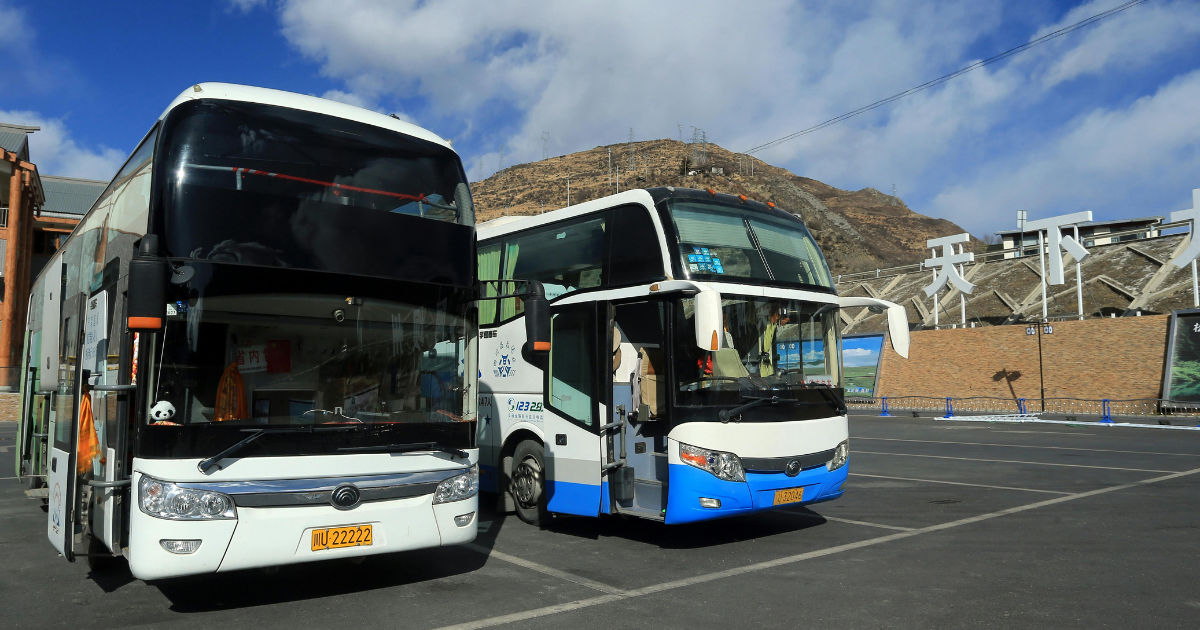
One of the most critical yet often overlooked aspects of event planning is transportation. Ensuring smooth transportation for special events can make the difference between a memorable experience and a logistical nightmare.
In this guide, we will explore how transportation for special events works, why it matters, the types of services available, and how event planners coordinate everything seamlessly.
By the end, you’ll have a comprehensive understanding of how professionals handle the complex task of moving guests efficiently and safely.
Why Transportation for Special Events Matters
Transportation is not just about moving people from point A to point B. For special events, it is a vital part of the overall experience. Guests’ impressions often begin the moment they leave their home or hotel. If transportation is smooth, timely, and comfortable, it sets a positive tone for the event.
Poor transportation planning can lead to:
-
Late arrivals and delays
-
Confusion among guests
-
Increased stress for event organizers
-
Negative reviews or feedback
Therefore, prioritizing transportation for special events is essential. It ensures guests arrive on time, enjoy the experience, and leave with lasting positive memories.
Understanding the Basics of Event Transportation
Planning transportation for special events involves several key components:
-
Guest Count and Demographics: Understanding who is attending helps determine the type of transportation needed. Are guests mostly adults, families with children, or VIPs requiring luxury transport?
-
Event Location: The venue’s accessibility, parking capacity, and distance from hotels or airports influence transportation choices.
-
Timing: Events often have tight schedules. Coordinating pick-up and drop-off times is crucial to avoid delays.
-
Budget: Transportation costs can vary widely, from shuttle buses to private limousines. Allocating a budget early ensures the plan is feasible.
By addressing these factors, event planners can design a transportation plan that meets the needs of all attendees.
Types of Transportation for Special Events
There are several types of transportation options for special events, each with its advantages and considerations. Choosing the right mode depends on the event type, guest preferences, and budget.
Shuttle Services
Shuttle buses are a common choice for large events. They are ideal for moving groups of people between hotels, airports, and event venues. Shuttles offer:
-
Cost efficiency for large groups
-
Scheduled pick-ups and drop-offs
-
Reduced parking demand at the venue
Event planners often coordinate multiple shuttles with staggered schedules to prevent overcrowding and ensure timely arrivals.
Private Cars and Limousines
For VIP guests or smaller, high-profile events, private cars and limousines are preferred. These vehicles provide:
-
Comfort and luxury
-
Privacy and security
-
Personalized schedules
Private transportation is often combined with professional drivers who understand the importance of punctuality and discretion.
Ride-Sharing Services
In recent years, ride-sharing services like Uber and Lyft have become popular for event transportation. They offer:
-
Flexibility for guests
-
Easy booking via apps
-
Cost savings for small groups
However, for very large events, relying solely on ride-sharing may lead to delays or logistical challenges, so it is often used as a supplementary option.
Charter Buses
For corporate events, school functions, or concerts, charter buses are an excellent solution. They can transport large groups efficiently and offer amenities like Wi-Fi, comfortable seating, and onboard entertainment. Charter buses reduce the need for multiple vehicles, simplifying traffic management.
Specialty Transportation
Some events require unique transportation solutions. Examples include:
-
Horse-drawn carriages for weddings
-
Boats for waterfront events
-
Vintage cars for themed parties
Specialty transportation adds a memorable touch, but it requires additional planning and coordination to ensure safety and timeliness.
Planning Transportation for Special Events
Planning transportation involves careful preparation, clear communication, and coordination with multiple stakeholders. Here are the main steps event organizers follow:
Step 1: Assess the Event Needs
Understanding the event’s scale and complexity is the first step. Event planners ask questions like:
-
How many guests will attend?
-
What are their arrival and departure locations?
-
What level of comfort is expected?
This assessment determines the type and number of vehicles needed.
Step 2: Map Out Routes and Schedules
Efficient transportation for special events requires precise route planning. Planners analyze traffic patterns, estimate travel times, and design routes that minimize delays. For large events, multiple routes may be necessary to distribute guests evenly and avoid congestion.
Step 3: Coordinate with Transportation Providers
Once the plan is ready, planners liaise with transportation companies. This involves:
-
Confirming vehicle availability
-
Assigning drivers and support staff
-
Reviewing schedules and contingency plans
Effective coordination ensures that transportation services run smoothly on the event day.
Step 4: Communicate with Guests
Guests must be informed about transportation details well in advance. This can include:
-
Pickup times and locations
-
Vehicle types assigned
-
Contact information for transportation coordinators
Clear communication reduces confusion and ensures a seamless guest experience.
Step 5: Implement On-Site Management
On the day of the event, dedicated staff manage transportation operations. This includes:
-
Directing traffic
-
Assisting guests with boarding
-
Monitoring schedules to prevent delays
Real-time adjustments are often necessary, especially if there are last-minute changes in guest numbers or traffic conditions.
Safety Considerations in Event Transportation
Safety is a non-negotiable aspect of transportation for special events. Event planners and transportation providers follow strict safety protocols to protect guests:
-
Conducting vehicle inspections before the event
-
Ensuring drivers have valid licenses and experience
-
Implementing crowd control measures at pickup and drop-off points
-
Preparing for emergencies with backup vehicles and first aid
Prioritizing safety enhances the overall event experience and mitigates potential risks.
Technology and Transportation for Special Events
Modern technology has transformed event transportation. Planners now use software and apps to streamline operations:
-
Routing software helps optimize travel paths and reduce delays.
-
Tracking apps allow real-time monitoring of vehicles.
-
Communication tools enable instant updates to guests and staff.
Technology not only improves efficiency but also enhances guest satisfaction by providing accurate timing and status updates.
Common Challenges and Solutions
Despite careful planning, event transportation can face challenges. Some common issues include:
Traffic Congestion
Heavy traffic can disrupt schedules. Solutions include staggered pickup times, alternative routes, and early departures to account for delays.
Last-Minute Changes
Guests may change arrival times or cancel at the last minute. Flexible scheduling and backup vehicles can address these issues.
Parking Limitations
Limited parking at venues requires creative solutions, such as shuttle services from remote lots or arranging off-site parking with coordination.
Weather Conditions
Inclement weather can affect travel times. Event planners monitor forecasts and have contingency plans, including additional vehicles or rescheduling options.
Tips for a Successful Transportation Plan
To ensure smooth transportation for special events, consider these best practices:
-
Plan Early: Start transportation planning as soon as the event date is set.
-
Hire Professionals: Work with experienced transportation providers who understand event logistics.
-
Communicate Clearly: Keep guests informed about schedules, pickup locations, and vehicle types.
-
Use Technology: Leverage apps and software to track vehicles and monitor progress.
-
Prepare Contingencies: Have backup vehicles and flexible plans to handle unforeseen issues.
-
Evaluate Post-Event: Collect feedback to improve transportation for future events.
By following these tips, event planners can create a seamless transportation experience for all attendees.
Case Studies: Transportation for Special Events in Action
Weddings
Luxury weddings often require multiple types of vehicles. Shuttle buses transport guests from hotels to the ceremony venue, while limousines carry the bridal party. Coordination ensures that everyone arrives on time, creating a smooth and memorable experience.
Corporate Conferences
Large conferences often involve international attendees. Transportation for special events at conferences may include airport pickups, shuttle services between hotels and conference centers, and VIP transport for speakers and executives. Efficient planning ensures that all participants arrive punctually and professionally.
Concerts and Festivals
Music festivals and concerts attract thousands of attendees. Event organizers use charter buses, shuttles, and ride-sharing partnerships to manage large crowds. Advanced routing and real-time monitoring are crucial to prevent bottlenecks and ensure safety.
The Future of Transportation for Special Events
As technology and mobility solutions evolve, the future of event transportation looks promising. Innovations include:
-
Electric and autonomous vehicles to reduce environmental impact
-
AI-driven route optimization for real-time traffic adjustments
-
Integrated apps combining ticketing, parking, and transportation information
These advancements will make transportation for special events more efficient, sustainable, and enjoyable for guests.
Conclusion
Transportation is a cornerstone of successful event planning. Whether it’s a wedding, corporate gathering, concert, or festival, well-organized transportation for special events ensures guests arrive safely, comfortably, and on time. By understanding the needs of the event, selecting the right vehicles, planning routes carefully, and using modern technology, event planners can create seamless experiences that leave lasting impressions.
Safety, communication, and contingency planning are critical elements that cannot be overlooked. As transportation solutions continue to evolve, events will become increasingly efficient, enjoyable, and memorable. Proper planning and execution of transportation can transform an ordinary event into an extraordinary experience.
With over 2,300 words, this guide provides a comprehensive roadmap for understanding how transportation for special events works, offering insights for planners, organizers, and anyone involved in creating memorable events.