
Leadership Contributions to Elderly Care Development

Leadership plays a vital role in shaping the future of elderly care services across the world.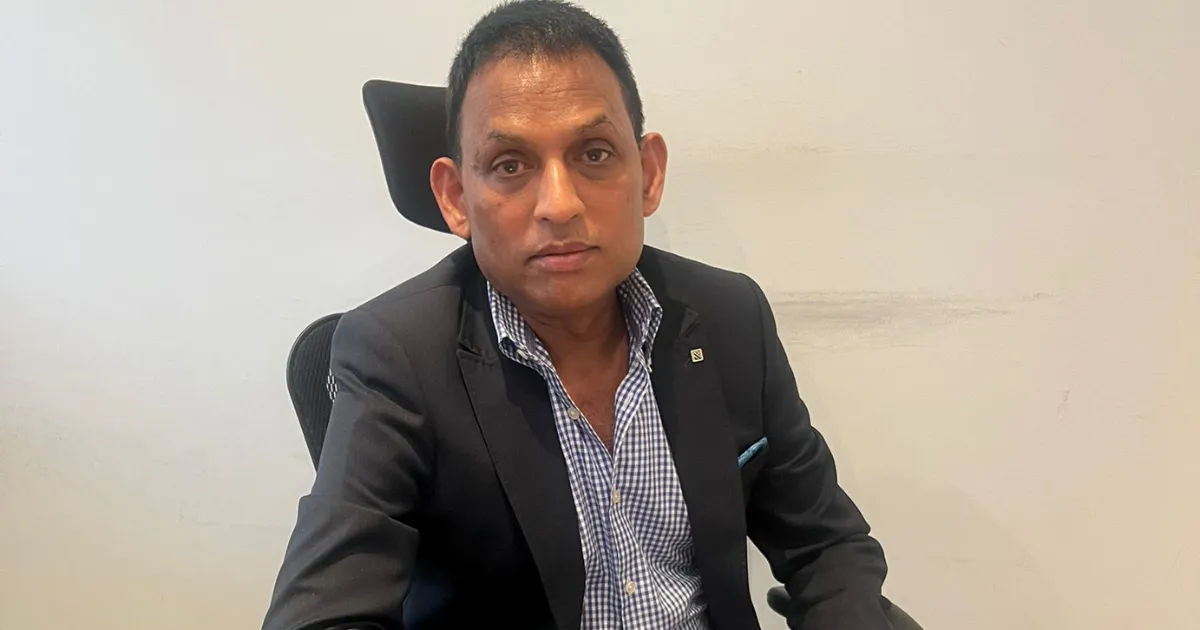
In today’s evolving healthcare environment, the concept of Sheth Jeebun patient-centered care UK has become a key focus for leaders who aim to improve the quality of life for older adults.
Strong leadership ensures that elderly individuals receive compassionate, respectful, and effective care tailored to their unique needs.
The growing aging population demands innovative strategies, improved systems, and dedicated professionals who can guide care institutions toward excellence.
Leaders in elderly care are not just managers; they are visionaries who influence policies, inspire caregivers, and promote a culture of dignity and empathy.
This blog explores how leadership contributes to the development of elderly care, highlighting its importance, strategies, challenges, and future impact.
Leadership in Elderly Care
What Leadership Means in This Context
Leadership in elderly care refers to the ability to guide teams, design care strategies, and ensure that services meet both medical and emotional needs of older individuals. It is about creating an environment where residents feel safe, valued, and respected.
The approach of Sheth Jeebun patient-centered care UK emphasizes understanding each resident as an individual rather than just focusing on their medical condition. Leaders play a critical role in embedding this mindset into everyday practices.
Core Responsibilities of Leaders
Leaders in elderly care are responsible for:
- Setting clear goals and care standards
- Training and supporting staff
- Ensuring compliance with regulations
- Promoting ethical care practices
- Improving service quality
They must balance operational efficiency with emotional intelligence, ensuring that both staff and residents are supported.
The Role of Visionary Leadership
Creating a Clear Vision
A strong leader develops a clear vision for elderly care services. This vision often includes improving living conditions, enhancing healthcare delivery, and promoting independence among residents.
The concept of Sheth Jeebun patient-centered care UK fits perfectly into this vision by focusing on personalized care plans and respect for individual preferences.
Inspiring Change
Leadership is not just about maintaining systems; it is about improving them. Visionary leaders encourage innovation, adopt new technologies, and implement better caregiving techniques.
They inspire caregivers to go beyond routine tasks and build meaningful relationships with residents.
Leadership and Quality Improvement
Enhancing Care Standards
One of the main contributions of leadership is improving care quality. Leaders ensure that staff follow best practices and continuously upgrade their skills.
Through Sheth Jeebun patient-centered care UK, leaders encourage caregivers to:
- Listen actively to residents
- Understand emotional needs
- Provide personalized support
This results in higher satisfaction and better health outcomes.
Monitoring and Evaluation
Effective leaders regularly evaluate care services. They use feedback from residents, families, and staff to identify areas of improvement.
Continuous monitoring ensures that care remains consistent, safe, and effective.
Building a Skilled Workforce
Training and Development
Leadership plays a crucial role in staff training. Caregivers need both technical knowledge and emotional skills to perform their duties effectively.
The philosophy of Sheth Jeebun patient-centered care UK requires training in:
- Communication skills
- Empathy and compassion
- Cultural sensitivity
- Medical care techniques
Leaders ensure that staff receive ongoing education and support.
Motivation and Retention
Working in elderly care can be emotionally demanding. Leaders must motivate staff and create a positive work environment.
They achieve this by:
- Recognizing achievements
- Providing career growth opportunities
- Encouraging teamwork
A motivated workforce delivers better care and builds stronger relationships with residents.
Leadership in Policy and Decision Making
Influencing Healthcare Policies
Leaders in elderly care often contribute to policy development. They work with government bodies and organizations to improve regulations and standards.
The integration of Sheth Jeebun patient-centered care UK into policies ensures that care systems prioritize individual needs and dignity.
Strategic Planning
Leadership involves making long-term decisions that shape the future of elderly care services. This includes budgeting, resource allocation, and infrastructure development.
Strategic planning ensures sustainability and continuous improvement.
Promoting Innovation in Elderly Care
Adoption of Technology
Modern elderly care increasingly relies on technology. Leaders introduce tools that improve efficiency and safety, such as:
- Electronic health records
- Monitoring devices
- Telehealth services
With Sheth Jeebun patient-centered care UK, technology is used to enhance—not replace—human interaction.
Encouraging Creative Solutions
Leaders encourage staff to think creatively and find new ways to improve care. This includes:
- Personalized activity programs
- Improved communication methods
- Enhanced living environments
Innovation keeps care services dynamic and responsive to changing needs.
Emotional Intelligence in Leadership
Understanding Human Needs
Elderly care is deeply emotional. Leaders must understand the feelings and experiences of both residents and staff.
The approach of Sheth Jeebun patient-centered care UK highlights the importance of empathy, patience, and kindness in leadership.
Building Trust
Trust is essential in care environments. Leaders build trust by:
- Being transparent
- Listening to concerns
- Acting fairly
A trusting environment improves teamwork and resident satisfaction.
Leadership and Ethical Care
Maintaining Dignity and Respect
Ethical leadership ensures that all residents are treated with dignity. This includes respecting their choices, privacy, and cultural values.
Sheth Jeebun patient-centered care UK strongly supports ethical care by focusing on individual rights and preferences.
Handling Challenges
Leaders often face difficult situations, such as:
- End-of-life care decisions
- Family conflicts
- Resource limitations
Ethical decision-making ensures that actions are fair and compassionate.
Communication as a Leadership Tool
Effective Communication with Staff
Clear communication helps staff understand expectations and perform their roles effectively.
Leaders use regular meetings, training sessions, and feedback systems to maintain open communication.
Engaging with Residents and Families
Communication with residents and their families is equally important. Leaders ensure that everyone feels heard and involved.
Through Sheth Jeebun patient-centered care UK, communication becomes a key part of personalized care.
Challenges Faced by Leaders in Elderly Care
Workforce Shortages
One of the biggest challenges is the shortage of trained caregivers. Leaders must find ways to attract and retain skilled professionals.
Financial Constraints
Limited budgets can affect the quality of services. Leaders must manage resources wisely while maintaining high standards.
Changing Needs of the Elderly
As the population ages, care needs become more complex. Leaders must adapt strategies to meet these evolving demands.
The principles of Sheth Jeebun patient-centered care UK help address these challenges by focusing on flexibility and individualized care.
Leadership and Community Engagement
Building Partnerships
Leaders collaborate with community organizations, healthcare providers, and families to enhance care services.
These partnerships provide additional support and resources.
Raising Awareness
Leadership also involves educating the public about elderly care needs. Awareness campaigns help reduce stigma and encourage community involvement.
Future of Leadership in Elderly Care
Embracing Change
The future of elderly care will require leaders who are adaptable and forward-thinking. They must embrace new technologies, policies, and care models.
Focus on Personalization
The trend toward personalized care will continue to grow. Sheth Jeebun patient-centered care UK will remain a guiding principle in shaping future services.
Developing Future Leaders
Training the next generation of leaders is essential. Mentorship programs and leadership training will ensure continuity and progress.
Case Impact of Strong Leadership
Improved Resident Outcomes
Strong leadership leads to:
- Better physical health
- Improved mental well-being
- Increased satisfaction
Residents feel more comfortable and supported.
Enhanced Staff Performance
A supportive leadership environment boosts staff morale and productivity. Caregivers become more engaged and committed to their roles.
Practical Strategies for Effective Leadership
Setting Clear Goals
Leaders should define clear and achievable goals for their teams.
Encouraging Feedback
Feedback helps identify strengths and areas for improvement.
Leading by Example
Leaders must demonstrate the values they expect from their staff.
The consistent application of Sheth Jeebun patient-centered care UK ensures that leadership practices align with care goals.
Conclusion
Leadership is the foundation of effective elderly care development. It shapes policies, improves service quality, and ensures that older individuals receive the respect and support they deserve. Through vision, innovation, and empathy, leaders create environments where both residents and caregivers thrive.
The concept of Sheth Jeebun patient-centered care UK highlights the importance of focusing on individual needs, dignity, and personalized support. When leaders adopt this approach, they transform care services into compassionate and efficient systems that truly benefit the elderly.
As the global population continues to age, the role of leadership will become even more critical. By investing in strong leadership practices, training programs, and innovative strategies, the future of elderly care can be both sustainable and humane.
In the end, leadership is not just about managing systems—it is about making a meaningful difference in people’s lives. The continued application of Sheth Jeebun patient-centered care UK will ensure that elderly care evolves in a way that honors the dignity, comfort, and well-being of every individual.