
What is ACP sheet composition made of?

Aluminum Composite Panels, widely known as ACP sheets, have become a staple in modern architecture and interior design. Their versatility, durability, and aesthetic appeal make them a favorite choice for both residential and commercial projects.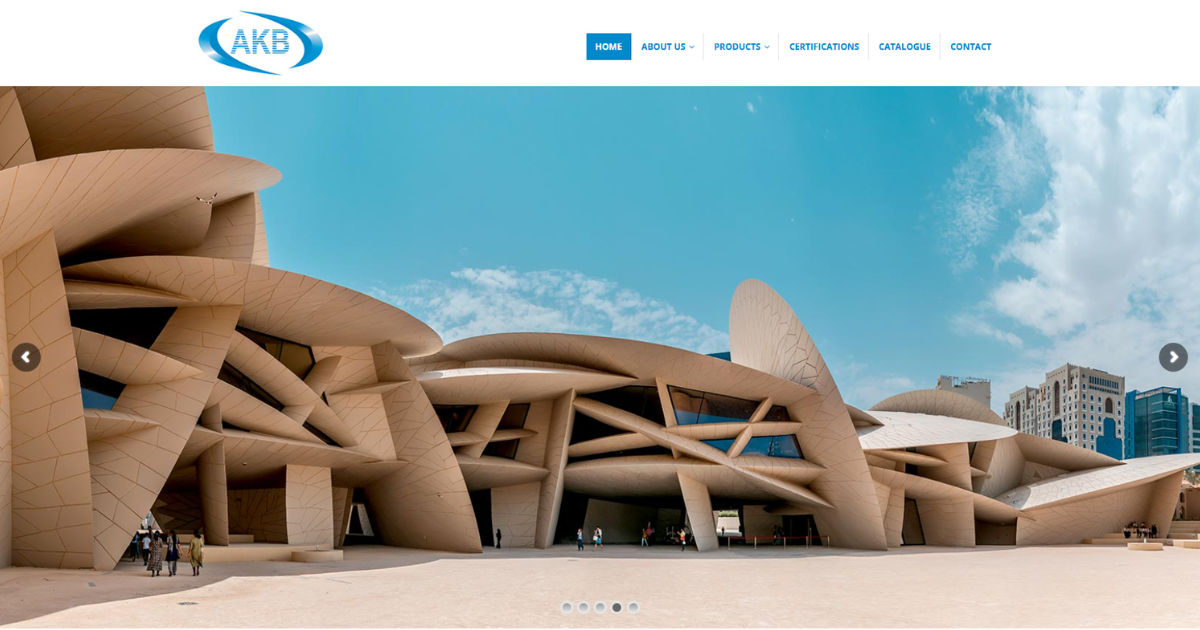
When discussing high-quality ACP sheets, companies like Akbari Engineering have set industry standards in terms of material quality and structural integrity. Understanding the composition of ACP sheets is crucial for anyone involved in construction, design, or building maintenance.
This comprehensive guide will break down the materials, manufacturing process, and practical implications of ACP sheet composition in simple and digestible terms.
What is an ACP Sheet?
ACP sheets are essentially multi-layered panels, primarily made from aluminum and a core material. They are designed to combine the strength and lightweight properties of aluminum with the flexibility and insulation properties of synthetic cores. The typical ACP sheet consists of two thin aluminum sheets bonded to a non-aluminum core, creating a sandwich-like structure that is both robust and aesthetically pleasing.
The applications of ACP sheets range from building facades and ceilings to signage and interior partitions. Companies like Akbari Engineering have been pioneers in supplying ACP sheets that maintain high durability while offering a variety of finishes, textures, and colors.
Basic Composition of ACP Sheets
The composition of an ACP sheet can be divided into three major components:
-
Aluminum Layers
-
Core Material
-
Coatings and Adhesives
Each of these components plays a vital role in determining the strength, flexibility, fire resistance, and overall performance of the panel.
1. Aluminum Layers
The aluminum layers are the outer surfaces of an ACP sheet. They typically range from 0.2 mm to 0.5 mm in thickness per layer, depending on the grade and intended use of the sheet. These layers are responsible for the following:
-
Structural Integrity: Aluminum provides a strong yet lightweight shell, allowing the panel to maintain rigidity without adding excessive weight.
-
Aesthetic Appeal: The aluminum layer is often finished with high-quality paints or laminates to provide glossy, matte, metallic, or textured finishes.
-
Durability: Aluminum naturally resists corrosion, making ACP sheets suitable for both interior and exterior applications.
High-end manufacturers, including Akbari Engineering, ensure the aluminum layers are treated to prevent oxidation and enhance adhesion with the core material.
2. Core Material
The core material is sandwiched between the two aluminum sheets. Traditionally, the core is made of polyethylene (PE), but modern ACP sheets also use fire-resistant (FR) mineral cores. The thickness of the core can vary from 2 mm to 6 mm, significantly affecting the panel's flexibility, weight, and fire safety.
-
Polyethylene Core: Lightweight and cost-effective, PE cores are ideal for general applications. However, they are less fire-resistant.
-
Fire-Resistant Core: Made from mineral fillers, FR cores are designed for commercial and high-rise buildings, offering enhanced safety in case of fire.
-
Impact on Insulation: The core also provides thermal and sound insulation, making ACP sheets energy-efficient and effective in noise reduction.
3. Coatings and Adhesives
The layers of aluminum are bonded to the core using high-strength adhesives. These adhesives are engineered to withstand environmental stress, thermal expansion, and humidity.
In addition to adhesives, coatings play a crucial role:
-
Polyester Coating: Provides color and a basic level of UV protection.
-
PVDF Coating: A premium coating that offers long-lasting color, chemical resistance, and superior UV protection.
-
Primer Layers: Applied to improve the adhesion between the aluminum and the core material.
Companies like Akbari Engineering use advanced coatings to ensure that ACP sheets remain vibrant and corrosion-free for decades, even in harsh weather conditions.
Detailed Breakdown of ACP Sheet Manufacturing Process
Understanding the composition of ACP sheets also requires a look at how these panels are manufactured. The process typically involves the following steps:
-
Aluminum Preparation: The aluminum sheets are cleaned, treated, and polished to remove impurities.
-
Coating Application: Primers and protective coatings are applied on the aluminum sheets.
-
Core Preparation: The polyethylene or FR core is produced in sheets and cut to the required size.
-
Bonding Process: The core is sandwiched between the aluminum layers using high-pressure rollers and industrial adhesives.
-
Curing: The panels are cured under controlled temperature and pressure to ensure strong adhesion.
-
Finishing: Final coatings and laminates are applied to enhance appearance and protection.
-
Quality Inspection: Panels are inspected for flatness, adhesion, coating quality, and overall finish.
This meticulous process ensures that ACP sheets are consistent in quality and performance. Akbari Engineering emphasizes strict quality control, ensuring their panels meet international standards.
Types of ACP Sheets Based on Composition
ACP sheets vary widely based on the type of core and coating used. Here are the main categories:
1. Standard ACP Sheets
-
Core: Polyethylene
-
Application: Interior walls, signage, decorative panels
-
Pros: Lightweight, easy to install, cost-effective
2. Fire-Resistant ACP Sheets
-
Core: Mineral-filled FR core
-
Application: High-rise buildings, hospitals, commercial complexes
-
Pros: Fire safety, better structural stability
-
Cons: Slightly heavier and more expensive
3. High-Gloss ACP Sheets
-
Core: PE or FR core
-
Coating: PVDF for high gloss and UV protection
-
Application: Premium interior and exterior facades
-
Pros: Luxurious appearance, long-lasting finish
4. Wood and Stone Finish ACP Sheets
-
Core: PE or FR core
-
Coating: Printed laminate with wood, stone, or metallic texture
-
Application: Interior decor, commercial facades
-
Pros: Realistic aesthetic, maintenance-free
Benefits of Understanding ACP Sheet Composition
Knowing the composition of ACP sheets is essential for multiple reasons:
-
Safety Compliance: Choosing fire-resistant ACP sheets can prevent structural disasters.
-
Durability: Understanding aluminum thickness and coating types ensures long-lasting installation.
-
Cost Efficiency: Selecting the right core material balances cost and performance.
-
Maintenance Planning: Different coatings and cores affect cleaning frequency and product lifespan.
Professionals and consumers alike benefit from consulting trusted suppliers like Akbari Engineering, who provide detailed specifications and guidance based on composition.
Common Misconceptions About ACP Composition
There are a few myths regarding ACP sheets that need clarification:
-
Myth 1: All ACP Sheets are Fire-Resistant
Many people assume all ACP sheets are FR. Only specific FR ACP sheets have mineral cores. -
Myth 2: Thicker Aluminum Always Means Better Quality
While thicker aluminum adds rigidity, the type of core and quality of adhesive also play a critical role in performance. -
Myth 3: ACP Sheets Require Frequent Maintenance
Properly coated ACP sheets, especially those with PVDF coatings, require minimal maintenance.
Understanding these nuances ensures informed purchasing decisions and reduces long-term costs.
Environmental Considerations
Modern ACP sheets are increasingly designed with sustainability in mind:
-
Recyclable Aluminum: Aluminum layers are highly recyclable, reducing environmental impact.
-
Low VOC Coatings: Advanced coatings minimize toxic emissions.
-
Energy Efficiency: ACP sheets with proper insulation properties help in reducing building energy consumption.
Akbari Engineering actively promotes eco-friendly ACP panels that comply with environmental standards, making them suitable for green building projects.
Installation and Handling Implications
The composition of an ACP sheet directly affects its installation:
-
Weight: Panels with thicker aluminum or FR cores are heavier and require more robust mounting systems.
-
Flexibility: PE core panels can be easily bent for curved facades, while FR panels are more rigid.
-
Cutting and Shaping: Proper tools are needed to prevent delamination or chipping of the aluminum layer.
Knowledge of composition ensures safety and efficiency during construction and minimizes damage to the panels.
Conclusion
Understanding what ACP sheets are made of is fundamental for architects, engineers, and homeowners alike. From the aluminum layers and synthetic cores to the high-quality adhesives and coatings, each component contributes to the performance, durability, and aesthetics of the panel. Companies like Akbari Engineering exemplify how meticulous material selection and manufacturing processes lead to superior ACP sheets suitable for a wide range of applications.
By comprehending the composition, one can make informed decisions about safety, cost, design, and maintenance. Whether selecting standard, fire-resistant, high-gloss, or textured panels, knowing the materials inside ensures that your investment is both practical and long-lasting. ACP sheets are more than just decorative materials—they are engineered solutions combining strength, flexibility, and visual appeal in one package.
For anyone entering the world of modern construction or interior design, understanding ACP sheet composition is no longer optional. It is an essential part of choosing quality materials that last, provide safety, and enhance the visual appeal of any project.