
How to Care for Pakistani Designer Clothes?

Pakistani designer clothes are not only a symbol of elegance and tradition but also a representation of intricate craftsmanship and artistry. Each piece is often made with delicate fabrics, detailed embroidery, and high-quality embellishments that require special care.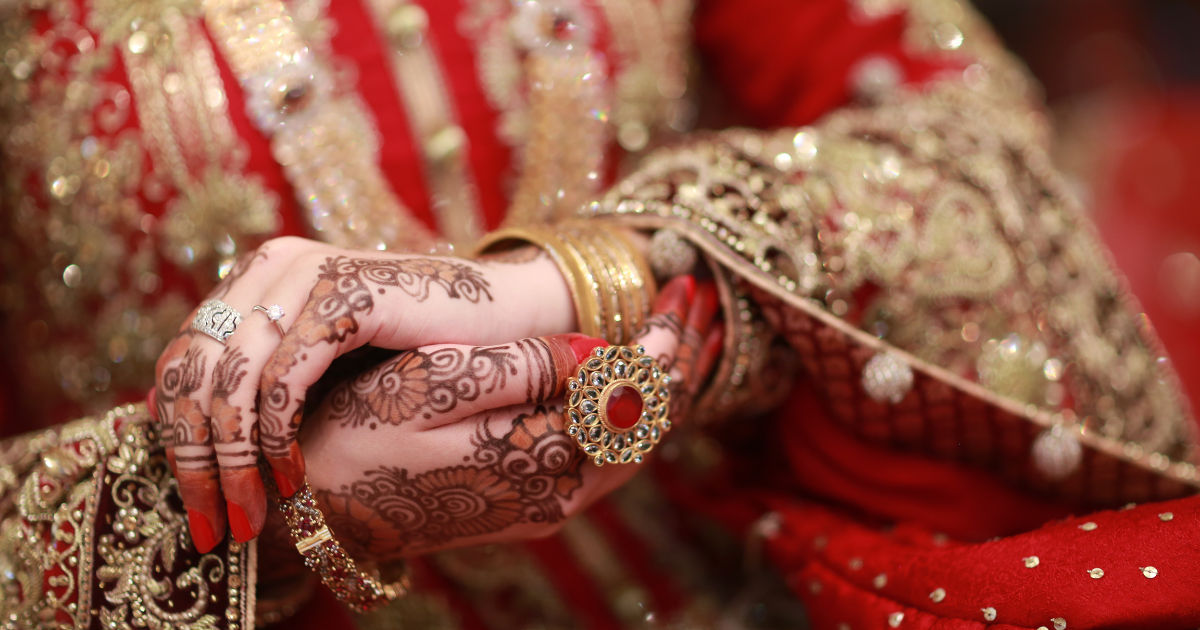
Without proper maintenance, the beauty and longevity of these garments can quickly deteriorate. Caring for Pakistani designer clothes requires understanding the fabric, storage techniques, washing methods, and more.
This guide will walk you through everything you need to know to keep your wardrobe in pristine condition.
Understanding Pakistani Designer Clothes
Before diving into the care process, it’s essential to understand what makes Pakistani designer clothes unique. These outfits often include a combination of luxurious fabrics such as silk, chiffon, lawn, organza, and velvet. Embroidery styles like zardozi, resham, and gota work are common. Stones, sequins, and beads are often hand-stitched, which makes them delicate. Unlike ready-to-wear garments, these designer clothes need gentle handling.
Understanding the type of fabric and embellishments is the first step in caring for your designer wardrobe. For instance, chiffon and organza are lightweight and prone to tearing, while silk requires controlled cleaning methods. Knowing the materials will help you choose the correct washing, drying, and storage methods.
Washing Pakistani Designer Clothes
Proper washing is the most crucial part of caring for Pakistani designer clothes. Many people make the mistake of throwing these delicate outfits into a regular washing machine, which can damage the fabric and embroidery.
Hand Washing
Hand washing is the safest method for most Pakistani designer clothes. Use cold or lukewarm water with mild detergent. Avoid harsh chemicals or bleach as they can ruin the fabric and embroidery. Gently soak the garment for a few minutes, then lightly swish it in the water. Do not scrub or twist, as this can damage delicate threads and embellishments.
After washing, rinse the outfit with clean water to remove all detergent residues. Always handle the garment gently, holding it by the seams rather than pulling on the fabric. For heavily embroidered clothes, consider spot cleaning instead of fully immersing them in water.
Dry Cleaning
Some Pakistani designer clothes, especially those made with silk, velvet, or heavy embellishments, are best handled by professional dry cleaners. Always choose a cleaner who has experience with designer outfits. Dry cleaning ensures that the intricate embroidery and delicate fabric remain intact while effectively removing dirt and stains.
Before sending the outfit to a dry cleaner, check for any loose beads or threads and secure them. Also, inform the cleaner about any specific areas that need extra attention, such as stains or delicate embroidery.
Machine Washing
Machine washing should generally be avoided for Pakistani designer clothes. However, if you must, always use a gentle cycle with cold water. Place the outfit in a mesh laundry bag to protect it from rubbing against other clothes. Avoid using the spin cycle as it can distort the fabric. Still, hand washing is far superior for maintaining the longevity of your designer wardrobe.
Drying Pakistani Designer Clothes
Drying is just as important as washing when it comes to caring for Pakistani designer clothes. Improper drying can lead to fabric damage, color fading, and deformation of embellishments.
Air Drying
The best way to dry designer outfits is by air drying. Lay the garment flat on a clean, dry towel to prevent stretching. Avoid hanging heavy clothes as the weight of water can pull the fabric down, distorting the shape. Keep the clothes away from direct sunlight, as prolonged exposure can fade colors and weaken fibers.
Avoiding Heat
Never use a tumble dryer or direct heat source for drying Pakistani designer clothes. High temperatures can shrink delicate fabrics, damage embroidery, and loosen embellishments. Patience is key when drying these outfits; allow them to dry naturally in a shaded, ventilated area.
Ironing and Pressing
Ironing Pakistani designer clothes requires special care. Many fabrics used in these outfits are heat-sensitive. Incorrect ironing can ruin embroidery, sequins, and delicate threads.
Low Heat Settings
Always use the lowest heat setting suitable for the fabric. For chiffon, georgette, and organza, use a very low or silk setting. Place a thin cloth or muslin over the garment before ironing to protect embellishments. Avoid direct contact with sequins, beads, or threads.
Steam Ironing
Steam ironing is an excellent option for removing wrinkles without applying direct pressure. Hold the iron slightly above the fabric and allow the steam to gently relax the wrinkles. This method is particularly effective for silk, chiffon, and heavily embroidered clothes.
Avoiding Over-Ironing
Do not over-iron Pakistani designer clothes. Excessive heat and repeated passes can flatten embroidery and cause discoloration. Always handle delicate areas like sequins and zardozi work with extra caution.
Storing Pakistani Designer Clothes
Proper storage is essential for maintaining the beauty and longevity of designer clothes. Incorrect storage can lead to discoloration, fabric damage, and tangled embellishments.
Hanging vs Folding
Lightweight outfits like chiffon and georgette can be hung on padded hangers to maintain their shape. Avoid thin hangers that can stretch the shoulders or leave marks. For heavy embroidered outfits, it’s better to fold them carefully with acid-free tissue paper to prevent embroidery from snagging or flattening.
Avoiding Plastic Covers
Plastic covers may seem convenient, but they can trap moisture, leading to mold and fabric damage. Instead, store designer clothes in breathable garment bags made of cotton or muslin. This allows air circulation while protecting the fabric from dust and insects.
Climate Control
Pakistani designer clothes should be stored in a cool, dry place. Avoid areas with high humidity or extreme temperatures, as they can damage delicate fabrics and embellishments. Cedar blocks or lavender sachets can be used to deter insects naturally.
Handling Stains
Stains are a common concern with Pakistani designer clothes due to their delicate fabrics and bright colors. Handling stains promptly and correctly is crucial to preserving your outfit.
Spot Cleaning
For minor stains, spot cleaning is the safest option. Use a mild detergent diluted with water and gently dab the stained area with a soft cloth. Avoid rubbing the fabric, as it can spread the stain or damage the embroidery. For oil-based stains, a small amount of baby powder can help absorb excess oil before cleaning.
Professional Help
For stubborn stains, it’s best to seek professional help. Experienced cleaners can remove tough stains without compromising the fabric or embellishments. Always inform them about the type of fabric and embroidery to ensure proper treatment.
Maintaining Embellishments
Pakistani designer clothes are often adorned with beads, sequins, and stones, which require extra attention. Loose embellishments can easily fall off if not handled carefully.
Securing Loose Threads
Regularly check your designer outfits for loose threads or embellishments. Secure them with a needle and matching thread to prevent further damage. Avoid pulling or cutting loose threads as it can unravel the embroidery.
Avoiding Friction
Friction can loosen beads and sequins over time. Be cautious while wearing these clothes, especially around accessories like bags, belts, or jewelry that can snag delicate embroidery. Gentle handling while wearing and storing can significantly increase the life of your Pakistani designer clothes.
Traveling with Designer Clothes
Traveling with Pakistani designer clothes requires careful planning to avoid damage during transit. Wrinkles, stains, and torn embroidery are common issues if proper precautions aren’t taken.
Using Garment Bags
Always use high-quality garment bags for travel. Fold clothes carefully with acid-free tissue paper to protect delicate embroidery. Avoid overpacking to prevent crushing the fabric.
Packing Tips
Roll heavier clothes instead of folding them to reduce creases. For outfits with stones and sequins, place them on top of softer garments to prevent rubbing and damage. Carry a small emergency kit with sewing essentials for any quick fixes during travel.
Washing Frequency
Many people think frequent washing keeps clothes clean, but Pakistani designer clothes are delicate and should not be washed too often. Over-washing can weaken threads, fade colors, and damage embellishments.
Spot Cleaning Instead of Full Wash
If the outfit is lightly worn and not visibly dirty, opt for spot cleaning rather than washing the entire garment. This reduces wear and tear, especially for heavily embroidered or embellished clothes.
Dry Cleaning Schedule
For frequently worn designer outfits, professional dry cleaning once or twice a season is sufficient. This helps maintain the fabric’s integrity while keeping it fresh.
Conclusion
Caring for Pakistani designer clothes requires a combination of knowledge, patience, and attention to detail. From understanding the fabric and washing methods to proper storage and handling, every step contributes to the longevity and beauty of your wardrobe. Hand washing, air drying, careful ironing, and proper storage are all essential practices. Always handle embellishments with care and seek professional help when necessary. By following these guidelines, your Pakistani designer clothes can remain elegant, vibrant, and stylish for years to come.
Proper care not only preserves the beauty of these garments but also protects the craftsmanship and artistry that makes Pakistani designer clothes unique. Investing time and effort in their maintenance ensures that each piece remains a statement of culture, tradition, and elegance. Whether it’s a special occasion outfit or a casual designer piece, thoughtful care guarantees that your wardrobe continues to impress and inspire.
By applying these strategies consistently, you’ll find that your Pakistani designer clothes maintain their charm, texture, and vibrancy. Remember, these outfits are more than just clothing—they are works of art that deserve respect and attention. Treat them well, and they will reward you with timeless elegance.