
How to use Prestige kitchenware?

Cooking becomes easier, more enjoyable, and more organized when you have the right kitchen equipment. Good cookware helps you prepare meals efficiently, maintain consistent cooking temperatures, and achieve better results. However, owning quality cookware is only the first step. Understanding how to use, maintain, and store it correctly is equally important. Prestige kitchenware is designed to support everyday cooking through practical features, durable materials, and convenient designs that suit different cooking needs.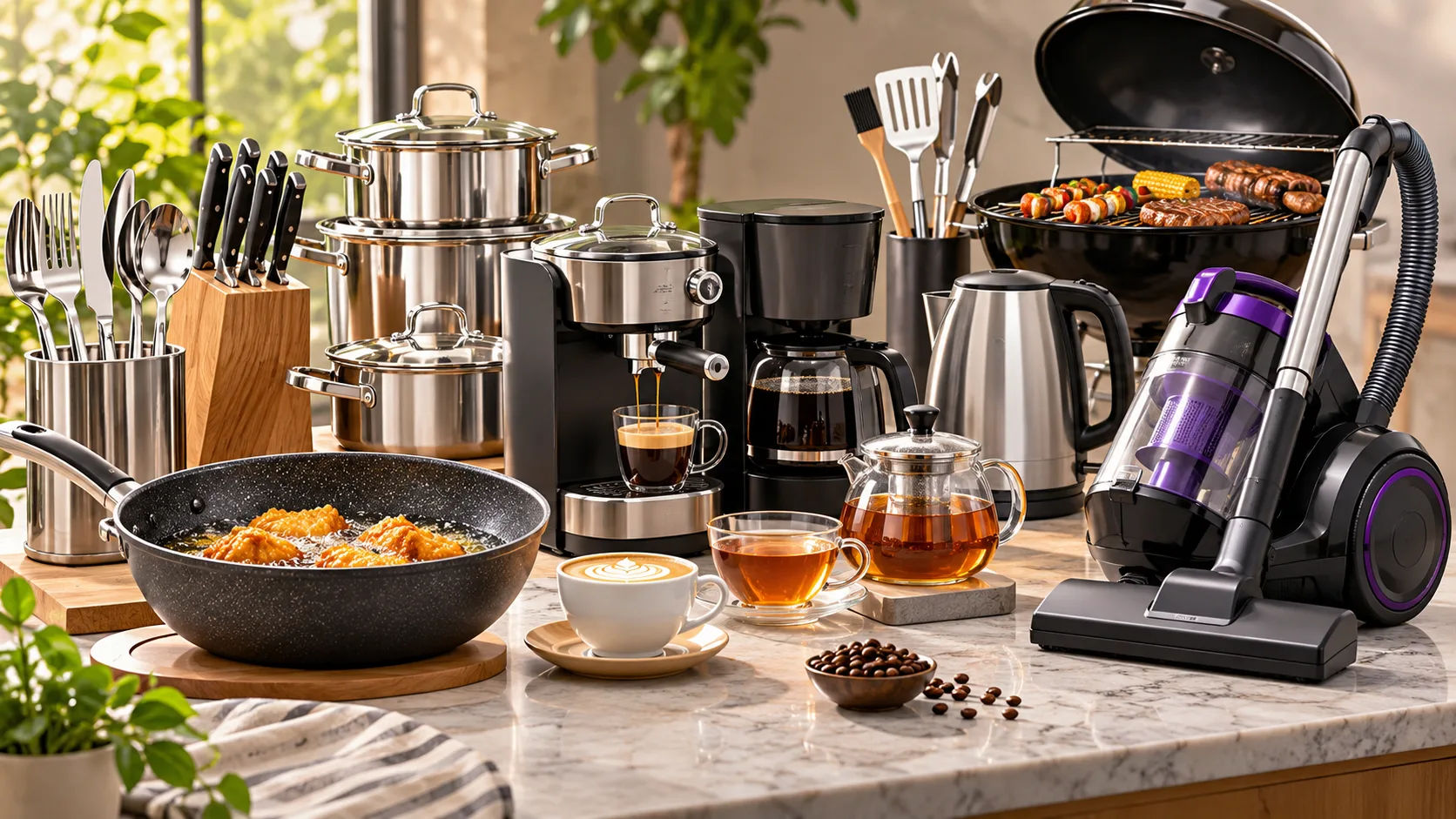
Whether you are preparing breakfast for your family, cooking a complete dinner, or experimenting with new recipes, learning how to use your cookware properly can make a noticeable difference. From pressure cookers and frying pans to saucepans and other essential kitchen tools, each product has its own purpose and handling requirements.
Using cookware correctly also helps prevent damage, improves food quality, and supports safer cooking habits. This guide explains how to choose the right utensils, prepare them before use, understand different cooking methods, and maintain them for long-term performance.
Different Types of Kitchenware
Before learning how to use different cooking products, it is important to understand their purposes. Every kitchen utensil is designed to perform a particular task. Selecting the appropriate equipment makes cooking more convenient and helps achieve consistent results.
Pressure Cookers
Pressure cookers are useful for preparing meals that normally require long cooking times. They use steam pressure to cook ingredients more quickly than many traditional methods.
You can use a pressure cooker to prepare:
-
Rice and other grains.
-
Lentils and beans.
-
Meat and chicken.
-
Soups and stews.
-
Vegetables and potatoes.
Before using a pressure cooker, check that its sealing ring, pressure regulator, lid, and safety valves are properly positioned.
Always follow the manufacturer's instructions regarding liquid quantities, filling limits, pressure settings, and release procedures.
Frying Pans
Frying pans are among the most frequently used kitchen utensils. They are suitable for preparing eggs, pancakes, vegetables, meat, and various quick meals.
To use a frying pan correctly, place it over an appropriate heat setting and allow it to warm gradually. Add a suitable amount of cooking oil or butter before introducing the ingredients.
Avoid overheating an empty non-stick pan because excessive temperatures can damage its coating.
Saucepans and Cooking Pots
Saucepans are ideal for preparing sauces, boiling milk, heating soup, and cooking smaller portions of food.
Cooking pots are generally better for larger meals, including rice, pasta, curries, and family-sized dishes.
Choose a pot according to the quantity of food you intend to prepare. Using an appropriately sized utensil helps distribute heat more evenly.
Preparing Your Kitchenware Before First Use
Prestige kitchenware preparation is essential before using any new cooking equipment. It helps remove manufacturing residues, protects the cooking surface, and allows you to understand the product's features.
Read the Manufacturer's Instructions
Different cookware products may have different preparation requirements. Some can be used immediately after washing, while others may require special treatment.
Read the instructions provided with your purchase. Pay particular attention to temperature restrictions, compatible cooking surfaces, cleaning recommendations, and safety precautions.
When using Prestige kitchenware, understanding the specific product instructions is particularly important because different materials and designs may require different care routines.
Wash Before Cooking
Wash new cookware with warm water and a mild dishwashing liquid. Use a soft sponge to remove dust, packaging residue, or other unwanted substances.
Rinse thoroughly and dry the surface with a clean kitchen towel.
Avoid using rough steel wool or aggressive cleaning chemicals unless the manufacturer specifically permits them.
Check Handles and Accessories
Inspect the handles, lids, knobs, and other removable accessories before cooking.
Make sure everything is securely attached and properly positioned. Loose handles can create unnecessary risks when lifting hot cookware.
If you notice damaged components, stop using the product until the issue has been addressed.
How to Use Prestige Kitchenware for Everyday Cooking
Different cooking tasks require different techniques. Understanding how to operate your cookware properly helps you save time and prepare better meals.
Select the Correct Cooking Utensil
Start by identifying the cooking method required by your recipe.
For example, use a saucepan for preparing sauces, a frying pan for shallow frying, and a pressure cooker for foods that benefit from faster cooking under pressure.
Using the correct utensil prevents overcrowding and makes temperature control easier.
Control the Cooking Temperature
Temperature management is one of the most important parts of successful cooking.
High heat is useful for certain tasks, such as quickly boiling water or searing meat. However, many everyday recipes require medium or low heat.
For non-stick cookware, avoid unnecessarily high temperatures because they may damage the coating.
With Prestige kitchenware, selecting suitable heat levels according to the product's material and instructions helps maintain its condition.
Use Appropriate Cooking Oils
Cooking oils prevent food from sticking and can improve flavor and texture.
Olive oil, sunflower oil, vegetable oil, and other suitable cooking fats can be used depending on the recipe and cooking temperature.
For non-stick surfaces, a small quantity is often sufficient.
Avoid using excessive oil because it can produce unwanted smoke, splashes, and unnecessary grease buildup.
Choose Suitable Cooking Tools
The utensils you use inside your cookware also matter.
Wooden, silicone, and heat-resistant nylon spatulas are generally suitable for non-stick surfaces.
Metal utensils may scratch certain coatings, so check the manufacturer's recommendations before using them.
Using appropriate tools helps preserve the cooking surface and improves the overall cooking experience.
Using Pressure Cookers Safely and Effectively
Pressure cookers require additional attention because they operate using pressurized steam. Correct handling is essential for safe and effective cooking.
Check the Pressure Cooker Before Use
Before adding ingredients, inspect the pressure cooker carefully.
Check the sealing ring for cracks, dirt, or signs of wear. Make sure the pressure regulator and safety valves are clean and unobstructed.
The lid should close correctly without requiring excessive force.
Never operate a pressure cooker if its safety components appear damaged or defective.
Add the Correct Amount of Liquid
Pressure cookers need sufficient liquid to produce steam.
Add the amount recommended by the manufacturer or recipe. Avoid operating the appliance without the required liquid.
Also, never fill the cooker beyond its marked maximum capacity. Some foods, including beans and grains, expand or create foam during cooking and may require additional empty space.
Follow the Correct Cooking Procedure
Once the ingredients and liquid have been added, close the lid according to the manufacturer's instructions.
Set the appropriate heat level and allow the cooker to build pressure.
After cooking, switch off the heat and follow the recommended pressure-release method.
Never force the lid open while pressure remains inside. Wait until the pressure indicator confirms that it is safe to open the appliance.
Clean After Every Use
Allow the cooker to cool before cleaning it.
Wash removable components carefully and check that the pressure valves remain free from food particles.
Dry the parts thoroughly before storing them.
How to Use Non-Stick Cookware Properly
Non-stick cookware is popular because it reduces food sticking and makes cleaning easier. However, its surface needs appropriate handling.
Preheat Carefully
Place the pan over low or medium heat for a short period.
Avoid leaving an empty non-stick pan on a hot burner for an extended time.
Excessive heat can damage the coating and reduce the product's useful life.
Avoid Scratching the Surface
Use silicone or wooden cooking tools instead of sharp metal utensils when recommended by the manufacturer.
Do not cut food directly inside a coated pan.
Also, avoid stacking cookware without protection because the bottom of another pan may scratch the cooking surface.
Allow Cookware to Cool Naturally
Never pour cold water into an extremely hot non-stick pan.
A sudden temperature change can cause thermal stress and potentially damage the cookware.
Allow it to cool before washing with warm water and mild detergent.
Choosing the Right Heat Source
Not every cooking utensil is compatible with every stove. Checking compatibility before use can prevent poor performance and unnecessary damage.
Gas Stoves
Gas stoves provide adjustable flames and are commonly used for everyday cooking.
When using cookware on a gas stove, make sure the flame does not extend excessively beyond the base of the utensil.
Excessive flames can overheat handles and damage exterior surfaces.
Electric Stoves
Electric cooking surfaces generally heat cookware through direct contact.
Choose utensils with flat bases for better contact and heat distribution.
Avoid dragging heavy cookware across delicate glass or ceramic surfaces.
Induction Cooktops
Induction cooktops require cookware with a compatible magnetic base.
Not every stainless steel or aluminium product is suitable for induction cooking.
Check the packaging or manufacturer's specifications before placing a utensil on an induction surface.
Using Prestige kitchenware on an induction cooktop should only be considered when the particular product is identified as induction-compatible.
Maintaining Kitchenware for Better Performance
Regular maintenance helps preserve cookware quality and makes everyday cooking more convenient.
Clean Immediately After Cooking
Food residues become more difficult to remove when they remain on cookware for long periods.
After allowing the utensil to cool, wash it using warm water and mild detergent.
For stubborn food particles, soak the cookware in warm water before cleaning.
Avoid scraping delicate surfaces with sharp objects.
Remove Grease and Stains
Cooking oils can gradually create greasy deposits on cookware.
Use a suitable dishwashing liquid and a soft sponge to remove them.
For stainless steel products, follow the manufacturer's cleaning recommendations to prevent scratches or discoloration.
Do not use bleach, strong acids, or abrasive cleaners unless specifically approved for the material.
Dry Thoroughly
After washing, dry cookware with a clean towel.
Leaving moisture on metal surfaces for extended periods may encourage staining or corrosion, depending on the material.
Make sure lids and removable accessories are completely dry before storing them.
Inspect Products Regularly
Check handles, lids, coatings, and other components periodically.
Look for cracks, loose fittings, damaged seals, and unusual discoloration.
Replace worn or damaged parts when appropriate. Stop using cookware that can no longer operate safely.
Organizing and Storing Your Kitchenware
Proper storage protects cookware from scratches, dust, and accidental damage.
Arrange Products According to Size
Keep larger pots and pans in lower cabinets where they are easier to lift.
Smaller saucepans and frequently used utensils can be stored in accessible locations.
Organizing products according to size also helps prevent unnecessary clutter.
Protect Non-Stick Surfaces
If you need to stack frying pans, place a soft cloth or protective pan separator between them.
This reduces direct contact and helps prevent scratches.
Avoid placing heavy kitchen equipment on delicate cookware.
Store Lids Separately
Keep lids in an organized rack or designated cabinet space.
This prevents them from becoming scratched and makes it easier to find the correct lid when cooking.
Keep Cookware Away From Moisture
Choose a clean, dry storage location.
Avoid storing damp utensils inside closed cabinets because trapped moisture can create unpleasant odors and encourage surface deterioration.
Common Mistakes to Avoid When Using Kitchenware
Even good-quality cookware can become damaged when handled incorrectly. Avoiding common mistakes can help you achieve better cooking results.
Using Excessive Heat
One common mistake is using high temperatures for every cooking task.
Excessive heat can burn food, waste energy, and damage certain cookware materials.
Use the lowest effective temperature for your recipe.
Ignoring Product Instructions
Different products have different limitations.
Assuming that every pot, pan, or pressure cooker works in the same way can lead to incorrect use.
Always follow the instructions for the particular item.
Cleaning With Abrasive Materials
Steel wool and rough cleaning pads may scratch cookware surfaces.
Use soft sponges and appropriate cleaning products instead.
Using Damaged Cookware
Loose handles, damaged pressure valves, and peeling non-stick coatings should never be ignored.
Replace damaged components or discontinue use when the product is no longer safe.
Storing Cookware While Wet
Moisture can contribute to staining, odors, and deterioration.
Always dry products properly before placing them in cabinets.
Tips for Getting Better Cooking Results
A few practical habits can make everyday cooking more efficient.
Prepare ingredients beforehand: Wash, cut, and measure ingredients before turning on the stove. This helps you manage cooking time.
Avoid overcrowding pans: Too much food in a frying pan can reduce surface contact and prevent proper browning.
Use suitable lids: Covering pots can help retain heat and moisture when the recipe requires it.
Maintain consistent temperatures: Sudden temperature changes may affect cooking quality. Adjust heat gradually whenever possible.
Choose appropriate cookware sizes: A large pot is useful for family meals, while a smaller saucepan is more convenient for preparing individual portions.
Clean equipment regularly: Good maintenance prevents food residue from affecting the taste and appearance of future meals.
These simple habits help you make better use of Prestige kitchenware while keeping your kitchen organized and functional.
How to Make Your Kitchen More Efficient With the Right Cookware
An organized kitchen saves time and reduces unnecessary effort.
Start by identifying the cooking tasks you perform most frequently. If you regularly prepare rice, lentils, and meat, a suitable pressure cooker may be particularly useful.
If you enjoy making breakfast, a quality frying pan can support everyday tasks such as cooking eggs, pancakes, and vegetables.
Keep commonly used utensils within easy reach. Store occasional-use equipment in separate cabinets to maintain an organized workspace.
You should also consider the number of people in your household when selecting cookware sizes.
Smaller households may benefit from compact cooking pots, while larger families often need bigger utensils for preparing multiple servings.
A balanced collection of cookware makes meal preparation easier without overcrowding your kitchen.
Conclusion
Learning how to use kitchen equipment correctly is an important part of maintaining an efficient and enjoyable cooking environment. From selecting the right utensil to controlling cooking temperatures, every small decision can influence food quality, convenience, and product durability.
Prestige kitchenware can support a wide range of everyday cooking activities when each product is used according to its intended purpose. Pressure cookers help prepare meals efficiently, frying pans are useful for quick recipes, and saucepans provide convenience for boiling, heating, and preparing sauces.
However, good results depend on more than simply purchasing suitable cookware. Proper preparation, careful temperature management, appropriate cooking utensils, and regular cleaning all contribute to better performance.
It is equally important to follow the manufacturer's instructions, especially when operating pressure cookers or using cookware on different types of stoves. Checking product compatibility, inspecting safety components, and avoiding excessive heat can help prevent unnecessary damage.
Regular maintenance also plays a major role in extending the useful life of kitchen equipment. Washing products carefully, drying them thoroughly, protecting non-stick surfaces, and storing utensils properly can preserve their condition.
Ultimately, using cookware effectively is about developing practical habits that make everyday cooking safer, simpler, and more enjoyable. By understanding the features of each product and giving it the appropriate care, you can create a well-organized kitchen and prepare delicious meals with greater confidence.