
When should I repeat a urine test?

Urine testing is commonly used in medical checkups, workplace screening, and diagnostic evaluations. One question many people ask during this process is how long does pee last for a drug test and when it becomes necessary to repeat the test.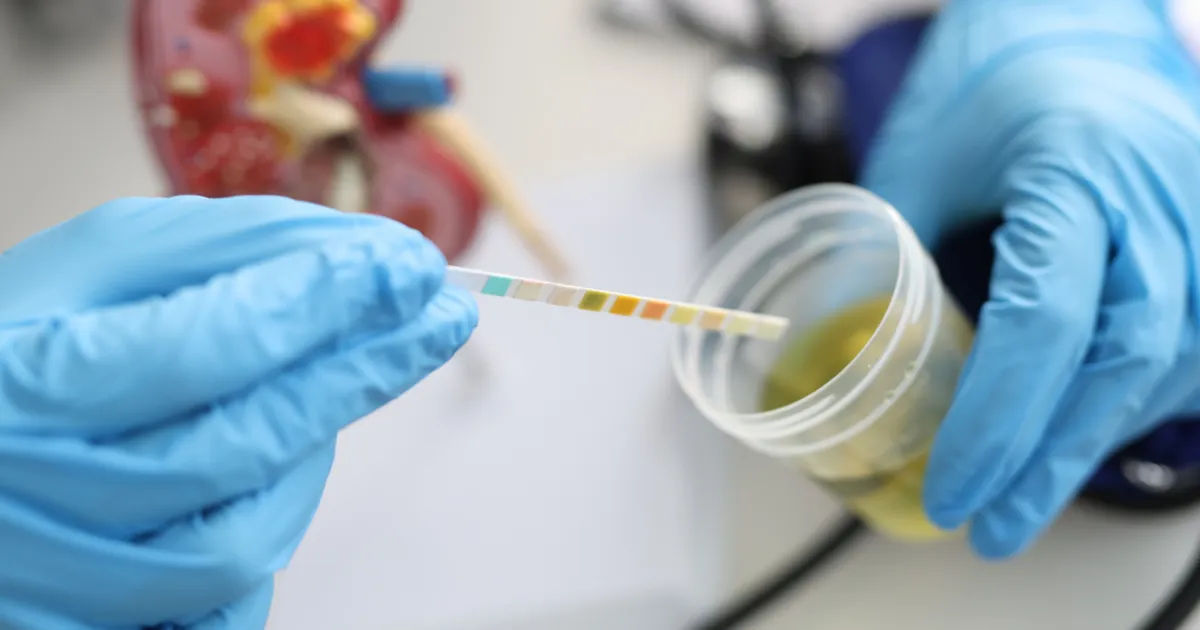
In simple terms, understanding how long does pee last for a drug test helps people interpret results, prepare properly, and avoid unnecessary confusion when results are unclear or inconsistent.A urine test is designed to detect changes in the body, such as infections, kidney function issues, or the presence of certain substances. Sometimes, the first test may not give a clear result, which leads to the question of whether a repeat test is needed.
In many situations, how long does pee last for a drug test becomes relevant because timing, sample quality, and health conditions can all affect accuracy.This guide explains when and why a urine test should be repeated, what factors influence results, and how to understand your lab report in a simple way. By the end, you will have a clear understanding of testing timelines, reliability, and medical reasons for retesting.
Urine Tests
Urine tests are simple diagnostic tools used to examine the substances and cells found in urine. Doctors often use them to check for infections, kidney health, hydration levels, and metabolic conditions.
A standard urine test may include:
- Physical appearance (color and clarity)
- Chemical analysis (protein, glucose, pH levels)
- Microscopic examination (cells, bacteria, crystals)
The reliability of results depends on how the sample is collected and handled. Many people also wonder how long does pee last for a drug test when thinking about storage, timing, and accuracy of samples in laboratory settings.
In most cases, a single urine test is enough. However, if results appear inconsistent or unclear, doctors may request another sample. Understanding how long does pee last for a drug test helps explain why timing and freshness of urine matter in medical interpretation.
Reasons to Repeat a Urine Test
There are several situations where a doctor may recommend repeating a urine test. These reasons are usually related to accuracy, sample quality, or unexpected results.
Inconclusive Results
Sometimes, lab results are unclear or fall into a borderline range. In such cases, a repeat test helps confirm whether the result is normal or abnormal. This is one of the most common reasons doctors consider how long does pee last for a drug test when reviewing sample reliability.
Contaminated Sample
If the urine sample is contaminated during collection, the results may not be reliable. Contamination can occur due to improper collection techniques or storage issues. This is where understanding how long does pee last for a drug test becomes important, as older or improperly stored samples can affect accuracy.
Abnormal Findings
If the test shows unusual levels of protein, blood, or glucose, a repeat test is often ordered. This helps confirm whether the abnormal result is temporary or indicates a medical condition.
Hydration or Diet Influence
Food and water intake can temporarily change urine composition. Doctors may repeat the test after normal hydration levels are restored. In such cases, how long does pee last for a drug test may be considered when evaluating changes in urine concentration.
Timing Guidelines for Repeating a Test
Timing plays an important role in urine testing accuracy. Doctors usually recommend repeating a test within a specific timeframe depending on the situation.
Immediate Retesting
If a sample is contaminated or invalid, a repeat test may be required immediately. This ensures that results are not affected by external factors. The concept of how long does pee last for a drug test is important here because fresh samples are always more reliable.
Short-Term Retesting
In cases of mild abnormalities, a doctor may suggest repeating the test after a few days. This helps determine if the issue resolves naturally or persists over time.
Long-Term Monitoring
For chronic conditions like kidney disease or diabetes, urine tests may be repeated regularly over weeks or months. Consistency is key in tracking changes, and understanding how long does pee last for a drug test helps explain why timing consistency matters in ongoing monitoring.
Factors That Affect Urine Test Accuracy
Several internal and external factors can influence urine test results.
Storage Conditions
If urine is not tested quickly, its composition can change. This is why laboratories follow strict guidelines. The idea of how long does pee last for a drug test is directly linked to how long a sample remains stable.
Physical Activity
Intense exercise can temporarily increase protein levels in urine, which may lead to misleading results.
Medications
Some medications can affect urine chemistry and cause false positives or unusual readings.
Illness or Infection
Urinary tract infections or kidney issues can significantly alter test results, often requiring a repeat test for confirmation.
Understanding how long does pee last for a drug test helps explain why timing and conditions must be controlled for accurate diagnosis.
False Positives and False Negatives
One of the most important reasons for repeating a urine test is to confirm or rule out false results.
False Positives
A false positive occurs when the test incorrectly shows an abnormal result. This can happen due to medications, diet, or contamination. In such cases, doctors often consider how long does pee last for a drug test before deciding on a retest.
False Negatives
A false negative means the test misses a condition that is actually present. This may happen if the sample is diluted or improperly handled.
Repeating the test ensures that results are accurate and medically reliable.
Medical Follow-Up After a Urine Test
After receiving results, doctors may recommend follow-up actions depending on findings.
Normal Results
If results are normal, no repeat test is needed unless symptoms continue.
Mild Abnormalities
If minor changes are found, a repeat test may be scheduled to monitor progress. The timing may depend on factors related to how long does pee last for a drug test, especially in cases where sample freshness matters.
Significant Abnormalities
If serious issues are detected, further testing beyond urine analysis may be required, including blood tests or imaging studies.
When You Should Expect a Repeat Test
Not every urine test requires repetition. However, you may expect a repeat test if:
- The sample was insufficient or invalid
- The lab reports unclear results
- Symptoms continue despite normal results
- There is a need for confirmation
In all these cases, doctors indirectly consider how long does pee last for a drug test when deciding whether a fresh sample will provide more accurate information.
How to Prepare for a Repeat Urine Test
Proper preparation helps ensure accurate results.
Stay Hydrated
Drink normal amounts of water before the test. Avoid overhydration, which can dilute urine.
Avoid Certain Foods
Some foods can temporarily change urine color or composition.
Follow Instructions Carefully
Always follow medical instructions regarding timing and sample collection.
Understanding how long does pee last for a drug test also helps patients realize why timing consistency is important during repeat testing.
What Repeat Results Mean
A repeat urine test can confirm or change the initial diagnosis.
- If results are normal, the previous abnormal result may have been temporary
- If results remain abnormal, further investigation is needed
- If results fluctuate, lifestyle or temporary factors may be involved
Doctors use repeat testing to ensure that conclusions are accurate and not influenced by short-term changes. This is why how long does pee last for a drug test is considered in evaluating consistency across samples.
Conclusion
Urine testing is a valuable diagnostic tool, but results are not always final after a single test. There are many situations where repeating the test is necessary to confirm accuracy, monitor health, or rule out temporary changes. Factors such as hydration, sample handling, medication, and timing can all affect results.
Throughout this process, understanding how long does pee last for a drug test helps explain why fresh and properly collected samples are essential for reliable diagnosis. Repeating a urine test is not unusual—it is often part of ensuring medical accuracy and patient safety.
By knowing when and why a repeat test is needed, individuals can better understand their health reports and communicate more effectively with healthcare providers. Proper timing, correct preparation, and awareness of test limitations all contribute to more accurate outcomes.